
Gujarat’s technical colleges told to start disaster-risk clubs and a 2-credit disaster-management course from 2026-27
GTU has circulated a Directorate of Technical Education directive asking engineering, pharmacy and other technical institutions to adopt NIDM’s model 2-credit skill course on disaster risk reduction and set up DRR Clubs this academic year. The course has 15 hours of lectures and 30 hours of practical and field work, including first aid, fire safety and mock drills.
Gujarat Technological University (GTU) has sent a circular dated 7 October 2026 to its affiliated colleges on Disaster Risk Reduction and Management (DRRM). It forwards a letter from the state's Directorate of Technical Education, dated 10 September 2026, to GTU, IITRAM, government and grant-in-aid institutions, and private universities that run technical courses. The letter asks them to roll out two things from academic year 2026-27: a model course on disaster risk reduction and DRR Clubs on campus.
Where this comes from
The chain starts with the University Grants Commission. In July 2025 it asked higher-education institutions to set up DRR Clubs and to consider a 2-credit skill enhancement course on disaster management at undergraduate level. The National Institute of Disaster Management (NIDM) then wrote to the states in January 2026 with a model curriculum and club guidelines. Gujarat's Education Department passed these on to the technical-education commissioner on 20 February, asking that they be applied in line with AICTE norms.
The course, in short
- 2 credits, 45 hours: 15 hours of lectures and 30 hours of practical and field work. NIDM recommends it for the second semester of a UG programme.
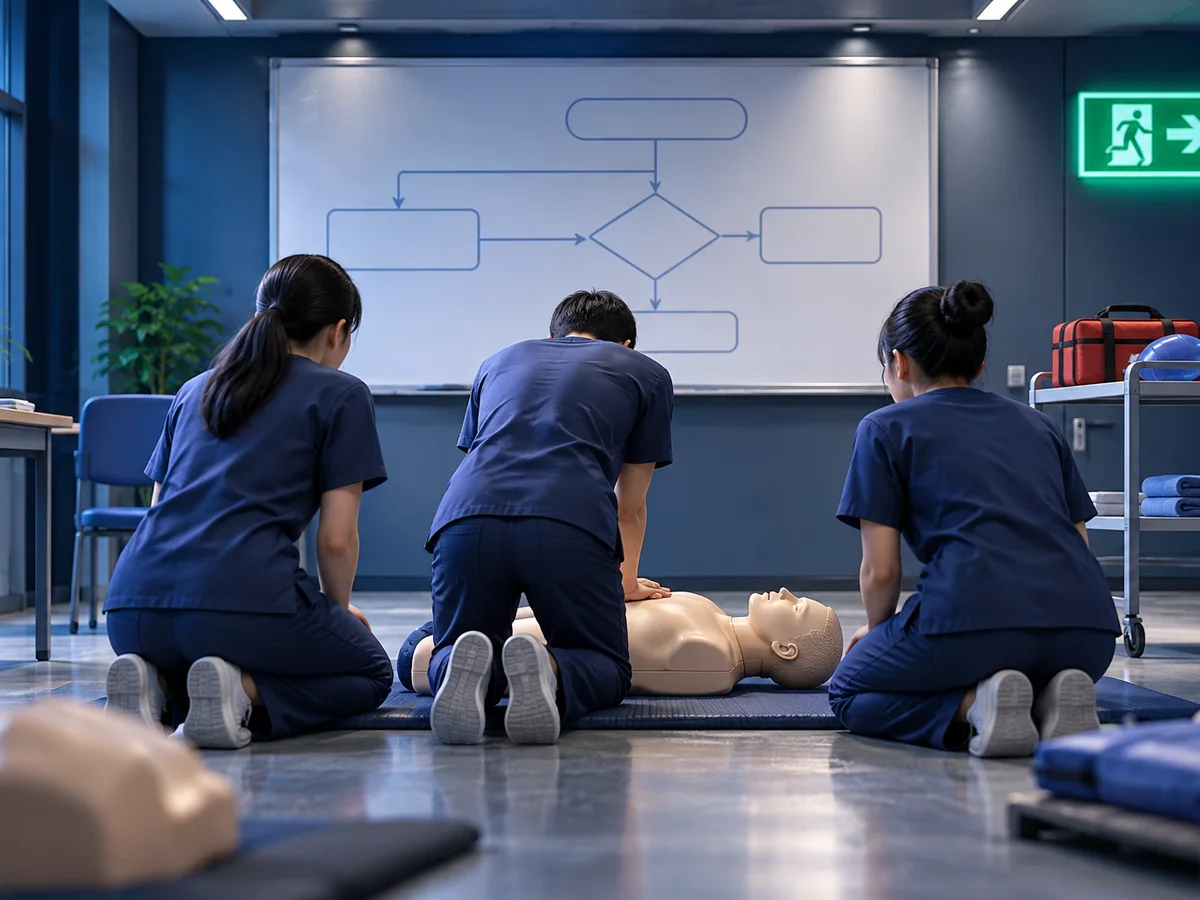
- Four units: understanding disaster risk; preparedness, mitigation and response planning; life-saving skills such as first aid and fire safety; and field exposure with community engagement.
- Assessment out of 100: 50 marks of continuous assessment (assignments, quizzes, practicals, fieldwork) and a 50-mark exam.
- Each university decides whether to offer it as an optional, compulsory or value-added course.
What a DRR Club looks like
- One nodal faculty coordinator and an advisory team of two or three teachers from different departments, plus a student core committee (president, secretary, treasurer, activity coordinators) chosen every year.
- At least one major activity every semester, such as fire, earthquake or chemical-hazard mock drills, hazard mapping or community awareness drives. Clubs are expected to work with district disaster-management authorities and NCC/NSS units.
- NIDM will not fund the clubs. Colleges have to use their own resources or run the activities through existing student clubs.
Why it matters to students
For engineering and pharmacy students, the course is a credit-bearing way to get hands-on training in first aid, emergency response and local risk planning. That training is useful for jobs in civil engineering, industrial safety, chemical plants, public health and municipal work, and Gujarat sees earthquakes, cyclones, floods and industrial accidents. Club work also counts as documented co-curricular activity on a CV.
What to do now: ask your department or the principal's office whether your college is setting up a DRR Club this semester and how to join. If you are in your first year, ask whether the 2-credit course will be offered in your second semester.
CareerBox News Desk — reporting on Gujarat Technological University’s circular of 7 October 2026 forwarding the Directorate of Technical Education, Gujarat letter dated 10 September 2026 on Disaster Risk Reduction and Management courses and DRR Clubs, with the enclosed Education Department letter of 20 February 2026, NIDM’s model curriculum and DRR Club guidelines, and the UGC communication of July 2025. Official portal: gtu.ac.in. Dates and eligibility change; confirm them on the official portal before you act.