
No "best doctor" ads, no paid reviews, AI content must be labelled: NMC’s new advertising rules for doctors and hospitals
The National Medical Commission has issued guidelines on how doctors and hospitals may advertise, effective immediately. Superlatives, before-and-after photos, patient testimonials, fake reviews and referral payments are out; AI-made promotional content is restricted and must be labelled. A doctor can lose registration for one to three years for repeated violations.
The Ethics and Medical Registration Board of the National Medical Commission (NMC) issued Guidelines on Ethical Advertising and Public Communication by Hospitals/Medical Institutions and Registered Medical Practitioners in a public notice dated 6 October 2026. They take effect immediately. The notice cites a writ petition before the Supreme Court and the 2002 professional-conduct regulations. For medical students and young doctors setting up a practice or an online presence, these are the rules you will be judged by.
What counts as advertising
Almost everything promotional: print, TV, radio, websites, blogs, podcasts, WhatsApp and Telegram, Facebook, influencer posts, sponsored content, search-engine promotion and AI-generated or AI-assisted material. Ordinary public-health information that is not promotional is excluded.
What is now banned
- Superlatives: "best doctor", "No. 1 specialist", "guaranteed cure", "100% success", "painless treatment", "miracle treatment" — and claims like "leading" or "most trusted" unless independently verifiable.
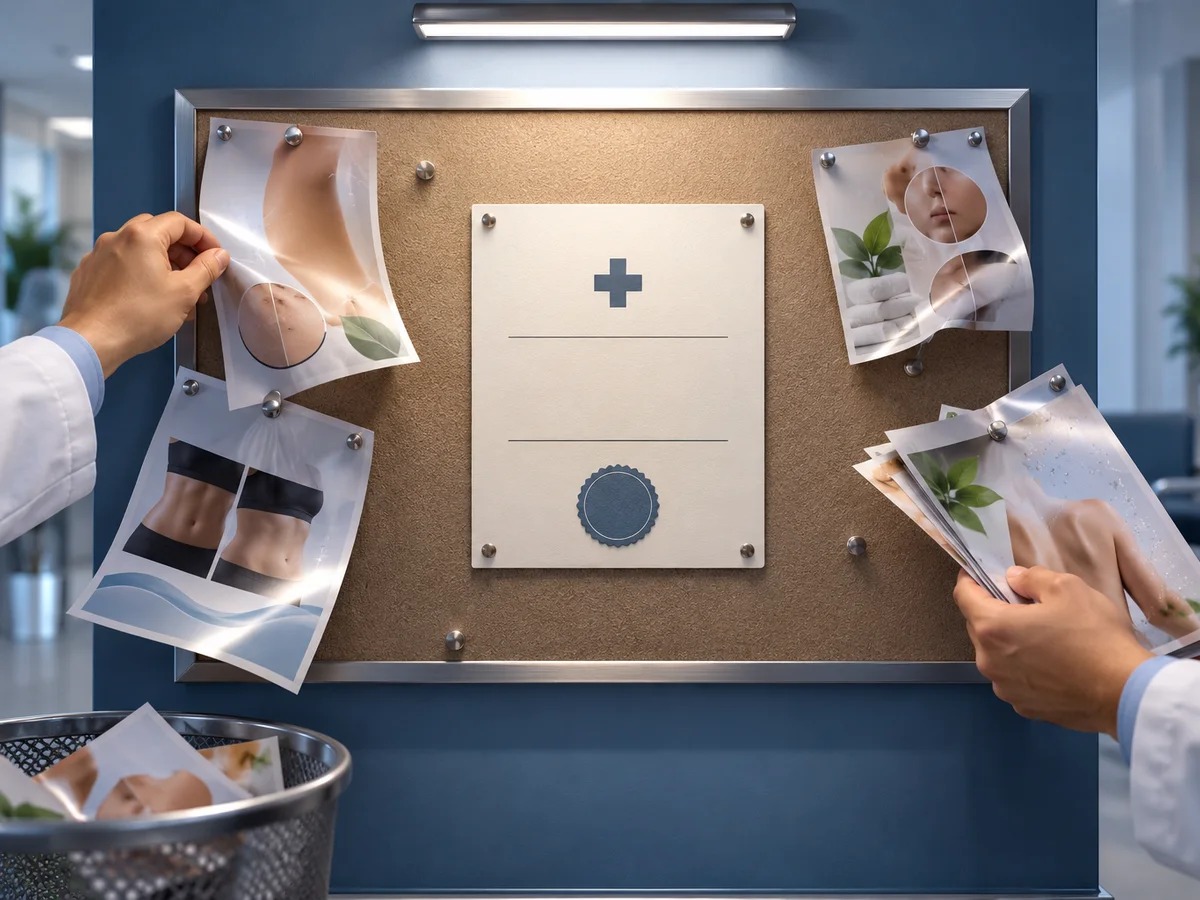
- Patient stories used to sell: before-and-after photos, testimonials, success stories and celebrity or influencer endorsements.
- Fake popularity: buying or manipulating reviews, ratings, followers, likes or search rankings.
- Money for patients: referral fees, commissions or lead-generation payments, and discounts, contests, cashback or free procedures that push people towards unnecessary tests.
- A doctor's photo in self-promotion, and endorsing any drug, device or health product.
- AI-generated campaigns to drive business are prohibited. Any permitted AI content must say plainly that it is AI-made, and AI must not be used to fake a patient, doctor or testimonial.
What is still allowed
- Hospitals can publish factual details: name, departments, facilities, accreditation, emergency services and fees. A website listing doctors with their qualifications and registration numbers is fine.
- A doctor can make a short formal announcement about starting a practice, moving, a temporary absence or consultation fees.
- Health-awareness talks and campaigns are fine, as long as they do not drum up patients. Doctors posting online must show their name, qualifications and NMR/SMR registration number.
Penalties
| Violation | Action the State Medical Council may take |
|---|---|
| First | Warning and mandatory ethics training |
| Second | Censure and a monetary penalty |
| Third | Suspension of registration for 3–6 months |
| Serious (misleading cure claims, inducements) | Suspension for 6–12 months |
| Repeated | Removal from the register for 1–3 years |
A show-cause notice comes first. A doctor can appeal to the Ethics and Medical Registration Board within 60 days. Hospitals are handled under the Clinical Establishments Act or the state law that applies.
What to do now
If you run a clinic page or a professional social-media account, go through it this week. Take down testimonials and before-and-after images, remove superlatives, and add your registration number to every post. Doctors are responsible for anything an agency or influencer publishes on their behalf.
CareerBox News Desk — reporting on the National Medical Commission’s public notice of 6 October 2026 on ethical advertising by hospitals and registered medical practitioners. Official portal: nmc.org.in. Dates and eligibility change; confirm them on the official portal before you act.